

Alternatives to Self-Healing Integrations
Transform your integration experience with Plumbed.io's self-healing AI platform, ensuring seamless connectivity and operational excellence.
20 alternatives found

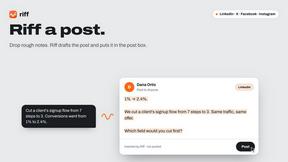
Riff
Riff writes replies, DMs and posts with Gemini Nano inside Chrome. Runs on your computer, no account or API key.

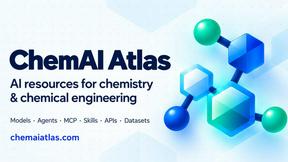
ChemAI Atlas
Explore AI models, agents, MCP servers, Skills, and open-source tools for chemistry. Discover practical guides and research workflow Recipes.
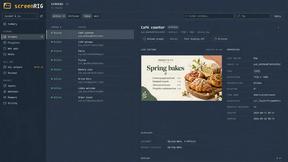
screenRIG
Signage and kiosk infrastructure for AI agents. Your agent publishes images, video, streams, web pages and apps to screens via one plugin.screenRIG is

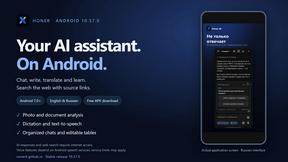
Honer AI
Android AI assistant with chat, web search, photo and document analysis, and voice input.

GetYouTubeTranscript
Free YouTube transcripts on the web, a Chrome extension, and an API + MCP server so AI assistants can read YouTube.

layahost
Moderation, routing, intent and scoring for any text over one Jev-compatible API, hosted in the EU.



Motion Control AI
Create motion-controlled character videos by transferring dance, gestures, timing, and camera movement from a reference video.


amaze.directory
A directory of AI tools where every listing was opened and used by a person first. Search by job, filter by price, get the link.
Speechyou
AI transcription for voice notes, meetings, and audio files in 1,700 languages, with AI summaries and subtitle export and unlimited chat ai usage.
ProspectHalo
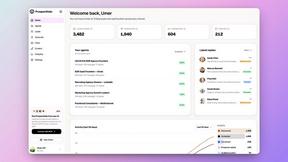
AI sales agent that finds qualified leads, runs outreach, follows up automatically, creates content, and helps book more meetings.

benchmark.directory
No sponsored listings, no affiliate ordering, no paid tier. 146 AI tools we bought, used, and reported on in public.
Tools Network
Tools Network is a curated directory of the best AI tools across 25+ categories. Compare ratings, pricing, and features to find the right one, fast.
About Self-Healing Integrations Alternatives
Self-Healing Integrations is a revolutionary solution that enables seamless integration between various systems through an intelligent and agentic platform. Positioned within the realm of AI Assistants, it transcends traditional integration methods by offering a self-managing lifecycle that continuously adapts to changing requirements and operational landscapes. This innovative approach eliminates the need for extensive manual intervention, allowing businesses to focus on growth rather than grappling with integration complexities. Many users find themselves seeking alternatives to Self-Healing Integrations due to factors such as pricing structures, varying feature sets, or specific platform compatibility issues. Organizations often face challenges with traditional integration methods, which can be slow and costly, leading them to explore options that align better with their unique operational needs and budgets. When selecting an alternative, it is critical to consider the flexibility of features, the scalability of the solution, and the overall support offered, ensuring that the chosen platform can accommodate evolving demands while minimizing disruption.
FAQs about Self-Healing Integrations Alternatives
What is Self-Healing Integrations?
Self-Healing Integrations is an advanced integration solution that allows businesses to connect multiple systems through an AI-managed platform. It automates the integration process, ensuring that connections remain operational and relevant over time. This eliminates the need for constant manual maintenance and oversight, providing a more efficient approach to managing integrations.
Who is Self-Healing Integrations for?
Self-Healing Integrations is designed for businesses of all sizes that require seamless connectivity between various systems and applications. It is particularly beneficial for organizations that regularly launch new channels, systems, or partners and need a solution that can adapt to ongoing changes without incurring high operational costs.
Is Self-Healing Integrations free?
Self-Healing Integrations is not a free service; it operates on a subscription-based model that reflects the level of complexity and the number of integrations required. Pricing is structured to provide value based on the specific needs of each organization, ensuring a cost-effective solution for managing integrations.
What are the main features of Self-Healing Integrations?
The main features of Self-Healing Integrations include automated monitoring and maintenance of integrations, an AI-driven lifecycle management system, and the ability to adapt to new requirements rapidly. These features ensure that integrations remain effective and efficient, reducing the need for manual intervention and expediting the integration process.