
Best Analytics & Data tools (51+)
Discover 51+ best analytics & data tools. Compare features, pricing, and reviews. Free and paid options available.
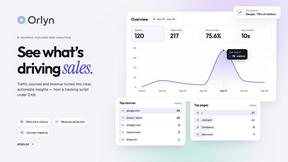
Orlyn
Privacy-first, cookieless web analytics that connects website traffic to real revenue.
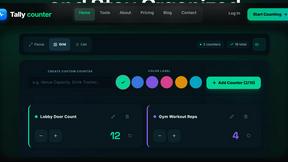
Tally Counter
Online tally counter for tracking attendance, workouts, inventory, visitors, sports scores, habits, and everyday counting tasks.

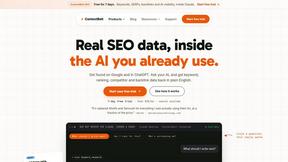
ContextBolt SEO
Research keywords, competitors, backlinks and AI visibility inside Claude or Codex, with findings saved to your SEO dashboard.

GROWNX
Real-time App Store analytics with an AI copilot for portfolio owners.
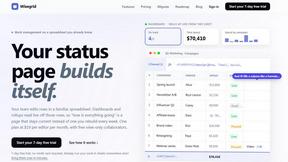
Wisegrid
Spreadsheet-native work management with AI formulas, dashboards, automation, reporting, and project views for growing teams.

Mappit
Earth's daily zeitgeist, on a time-aware map. Breaking, corroborated stories from hundreds of cities. Drop pins, subscribe & share your places.
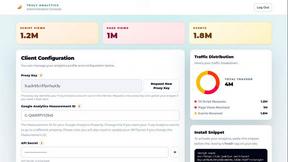

Photo to Excel
Turn table photos and screenshots into editable Excel files. Merge images, remove duplicates, preview free.

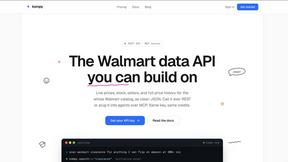
Kompy
Kompy delivers live Walmart pricing, stock, and history as clean JSON through a unified REST API and MCP server for developers and AI agents.
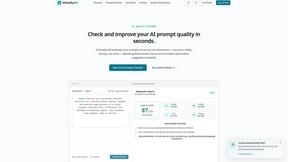
AIQualityHQ
AIQualityHQ evaluates and optimizes AI prompts across six critical dimensions in under ten milliseconds, delivering elite quality and security.
GeoRank
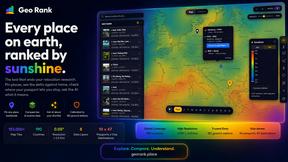
GeoRank transforms global relocation decisions by comparing sunshine, cost, taxes, and visa access across 190 countries with AI-powered analysis.
InContekst
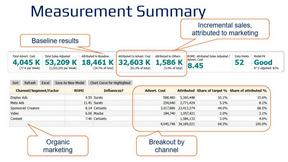
For high consideration enterprises, InContekst reveals precisely what drives qualified demand across complex online and offline customer journeys.

PipelineGrader
Audit your B2B pipeline instantly with no signup, getting prioritized actions to fix revenue leaks.
EnsembleData
Unlock real-time insights with EnsembleData's powerful APIs for seamless social media data extraction and analytics at scale.
Subiq
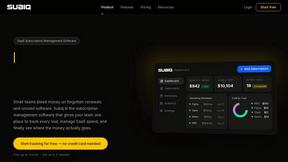
Subiq eliminates wasted SaaS spend by giving small teams one place to track, manage, and optimize every subscription.
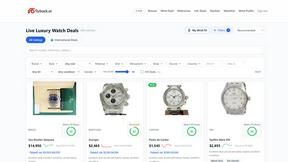
Flyback.ai
Flyback is the elite buy-side intelligence platform that uses AI to score luxury watch deals against verified sales data.

Flidget
Flidget predicts churn with drift scores and captures real exit reasons through an AI chat, all in one dashboard.
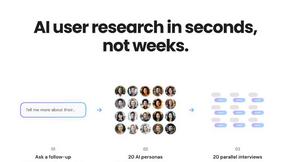
Bulker
Bulker replaces slow surveys with AI personas that deliver deep user insights in seconds, not days.
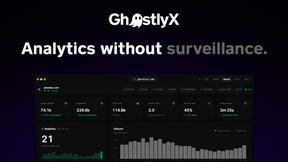
GhostlyX Privacy-First Web Analytics
GhostlyX offers cutting-edge, privacy-first web analytics that deliver actionable insights without compromising user data.
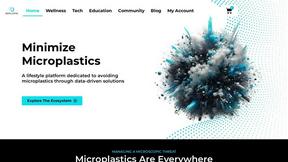
Microplastic Intake App
Track your daily microplastic intake with a research-backed app designed for elite wellness.

Spindex
Spindex empowers you to gamble smarter by analyzing real-time slot data, tracking performance, and identifying hot opportunities across top crypto.
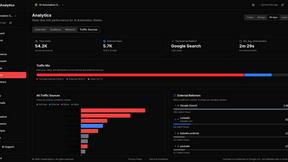
TubeAnalytics
TubeAnalytics delivers elite AI-powered YouTube analytics to scale channel growth with authenticated revenue data and predictive insights.
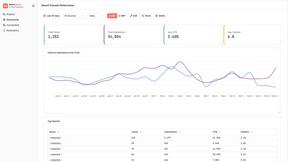
Metric Nexus
Metric Nexus unifies all your marketing data for Claude to deliver elite insights in plain English.

TrafficClaw
TrafficClaw is your AI analyst that converses with your live SEO data to deliver actionable growth verdicts.
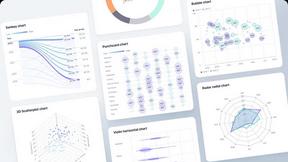
Fusedash
Fusedash transforms raw data into intuitive dashboards and charts, enabling teams to act on insights with precision.
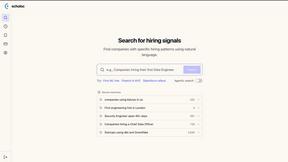
echoloc
Echoloc uncovers buyer intent in job posts, empowering sales teams to target accounts ready to invest.

Plottie
Plottie effortlessly transforms your data into stunning, publication-ready scientific figures in seconds, no coding.
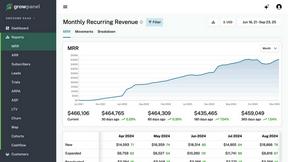
GrowPanel
GrowPanel delivers real-time subscription analytics for SaaS, empowering you to optimize MRR, churn, and LTV.
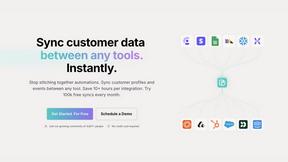
Oneprofile
Unify and sync customer profiles across tools effortlessly, ensuring consistent data without duplication or drift.
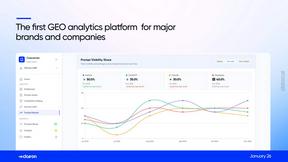
Clairon AI
Clairon AI empowers brands to monitor and optimize their visibility across major AI platforms effortlessly.

Crawlkit
CrawlKit transforms any website into structured data with a simple API call, delivering unparalleled insights.
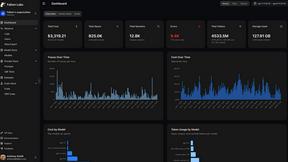
Fallom
Fallom delivers elite, real-time observability and compliance for your AI agents and LLM operations.
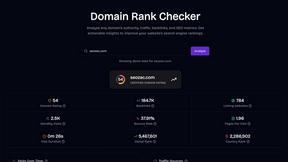
Domain Rank App
Transform your SEO approach with Domain Rank App, the premier solution for domain authority analysis and ranking.
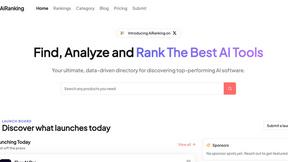
AiRanking
AiRanking is your ultimate platform for discovering and evaluating the leading AI software solutions available today.
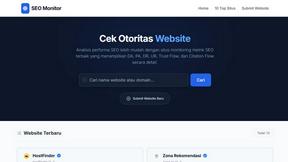
SEO Metrics Monitor
Master your domain authority with elite, real-time tracking of all critical SEO metrics.
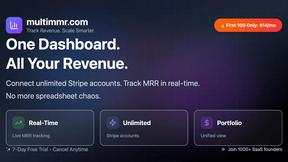
MultiMMR
Unify your Stripe accounts for real-time insights and stunning analytics, streamlining revenue tracking effortlessly.
Size The Market
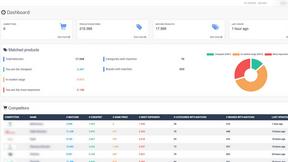
Size The Market delivers real-time pricing insights and competitive intelligence to help e-commerce brands thrive.
Popular Alternatives in Analytics & Data
About Analytics & Data tools
Analytics and Data tools help professionals collect, process, visualize, and interpret data to make informed business decisions. This category covers everything from web analytics platforms and business intelligence dashboards to data pipeline tools and statistical analysis software.
Whether you are tracking website traffic, analyzing customer behavior, building data visualizations, or running complex queries across large datasets, these tools provide the infrastructure and interfaces needed to turn raw data into actionable insights. Many offer AI-powered features for automated pattern detection and predictive analytics.
Compare analytics and data tools by their data sources, visualization capabilities, collaboration features, and pricing models to find the right solution for your team's analytical needs.
FAQs for Analytics & Data
What types of analytics tools are included?
This category includes web analytics platforms, business intelligence dashboards, data visualization tools, customer analytics software, product analytics solutions, data pipeline builders, and statistical analysis platforms for teams of all sizes.
Do I need technical skills to use analytics tools?
Many analytics tools offer intuitive drag-and-drop interfaces and pre-built dashboards that require no coding. More advanced tools support SQL queries, custom scripts, and API access for technical users who need deeper analysis capabilities.
How do analytics tools handle data privacy?
Most analytics tools comply with GDPR, CCPA, and other privacy regulations. Many offer data anonymization, consent management, server-side tracking, and data residency options. Check individual listings for specific compliance certifications.
Can analytics tools integrate with my existing stack?
Yes. Analytics tools typically offer integrations with databases, data warehouses, CRM systems, marketing platforms, and other business tools through native connectors, APIs, and webhook support.
What is the difference between web analytics and business intelligence?
Web analytics focuses specifically on website and app user behavior tracking, while business intelligence encompasses broader data analysis across all business operations including sales, finance, operations, and customer data from multiple sources.
How do I choose the right analytics tool?
Consider your data sources, team technical skills, visualization needs, collaboration requirements, data volume, and budget. Start with free tiers to evaluate the interface and capabilities before scaling to paid plans.