
Finsi OS vs Playwriter
Side-by-side comparison to help you choose the right tool.

Finsi OS
Finsi OS is the AI operating system that automates e-commerce insights and execution.
Last updated: February 27, 2026

Visual Comparison
Finsi OS
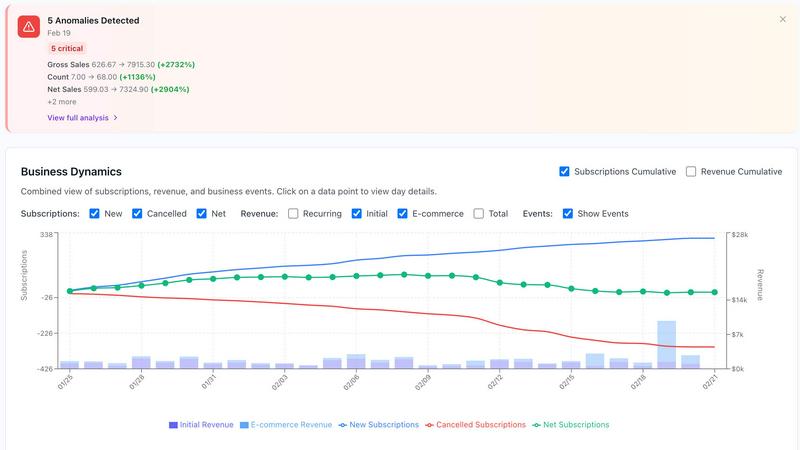
Playwriter

Overview
About Finsi OS
Finsi OS is the definitive AI Operating System engineered for elite direct-to-consumer (DTC) and e-commerce brands. It transcends traditional dashboards by unifying your entire tech stack—Shopify, Recharge, Klaviyo, Meta, Google Ads, and more—into a single, intelligent command center. The platform is designed for operators who demand strategic clarity over data chaos, automating the journey from insight to execution. Its core mission is to maximize customer lifetime value (LTV) and drive profitable growth by predicting churn, identifying high-impact opportunities, and autonomously executing retention and acquisition campaigns. Built upon over a decade of retention expertise from scaling Scentbird to millions of subscribers, Finsi OS delivers proven outcomes: a 20% average increase in LTV, a 50% reduction in customer acquisition costs (CAC), and saving teams 4+ hours weekly on manual reporting. This is not merely an analytics tool; it is a proactive growth engine that empowers brands to act decisively on AI-driven recommendations, transforming raw data into a sustainable competitive advantage.
About Playwriter
AI agents cannot browse the web properly. They either have no browser access, or they get a fresh Chrome with no logins, no extensions, and instant bot detection. Playwriter gives them your actual browser session instead. One Chrome extension, full automation API, everything you are already logged into. Includes accessibility snapshots (5-20KB instead of 100KB+ screenshots), a debugger with breakpoints, live code editing, network interception, and video recording. Works with any MCP client: Cursor, Claude, VS Code, and more. Open source, MIT licensed.