

Alternatives to Game Server Backend
Game Server Backend eliminates backend complexity for multiplayer games with a single API unifying player auth, data, leaderboards, and server.
20 alternatives found

layahost
Moderation, routing, intent and scoring for any text over one Jev-compatible API, hosted in the EU.

laya.tools
A free directory of 950+ projects built on Laya, the open-source decision model. Updated daily.

Sprite Sheet Maker
A free browser-based toolkit for creating, cutting, converting, and previewing sprite sheet animations.

Forms Plugin
The #1 Native Form Builder Plugin for Framer - No Code, No Embeds, No External Platforms.

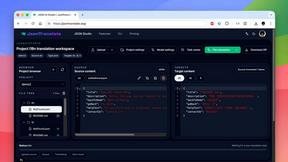
JsonTranslate
Translate JSON, Markdown, and TXT files while preserving keys, nested paths, and project structure.

AkraLabs
Where modern software products get discovered, launched, and distributed. Explore verified AI tools, SaaS startups, and developer software.

BuildrShip
BuildrShip is where builders launch products, get discovered, and build lasting visibility on the internet.

SubmitMap
A directory of launch platforms: who each accepts, what disqualifies you, and how to submit. Free to read, and your agent can do the submitting.


Firma.dev
Pay-as-you-go e-signature API and no-code sending. €0.049 per envelope, no monthly minimums, legally valid in 55+ countries.
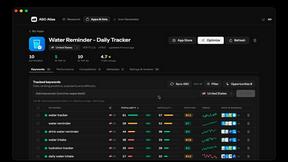
ASO Atlas
Real-time ASO tool with Apple Search Ads data for keyword research, rank tracking and opportunity scoring across 60+ storefronts.

PDF Pro AI
Privacy-first AI document tool — analyze medical reports, bank statements & salary slips 100% in-browser. No uploads, no signup, free.
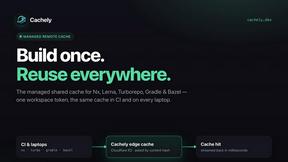
Cachely
Managed remote build cache for Nx, Lerna, Turbo, Gradle, and Bazel. Reuse artifacts across CI and developer machines.
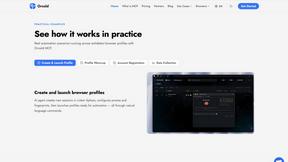
Ornold
Ornold MCP lets AI agents control Chromium and antidetect browsers: click, type, read screens, record workflows, replay profiles without scripts.


AIQualityHQ
AIQualityHQ evaluates and optimizes AI prompts across six critical dimensions in under ten milliseconds, delivering elite quality and security.
About Game Server Backend Alternatives
Game Server Backend positions itself as a premier, all-in-one operational layer for multiplayer game development, consolidating player authentication, persistent data storage, leaderboard management, and server hosting into a single, elegant API. It belongs to the elite category of Dev Tools designed to eliminate the fragmentation of stitching together disparate third-party services, offering a unified architecture that streamlines the journey from prototype to live production. Users typically seek alternatives when their specific scale requirements outgrow a platform’s pricing model, when they need deeper customization of the underlying infrastructure, or when their project demands a particular integration that the current ecosystem does not support natively. The decision to explore other options often arises from a need for granular control over server regions, a desire for proprietary matchmaking algorithms, or a requirement for a self-hosted solution that offers complete data sovereignty. When evaluating any alternative, the discerning studio must prioritize a seamless API surface that respects existing engine workflows, robust security for player data and transactions, and a pricing structure that scales gracefully from a small prototype to a globally distributed title without imposing artificial ceilings on performance or concurrent users.
FAQs about Game Server Backend Alternatives
What is Game Server Backend?
Game Server Backend is a hosted backend platform purpose-built for multiplayer games, unifying player authentication, data persistence, leaderboards, and server hosting behind a single, unified API. It eliminates the need to integrate multiple separate vendors by providing drop-in SDKs for Unity, Unreal Engine, and Godot, as well as seamless integration with Roblox and custom game servers. The platform covers essential multiplayer infrastructure including matchmaking, player profiles, persistent JSON state, a server registry for community-server discovery, and a live-ops configuration layer for gameplay tuning updates without client patches.
Who is Game Server Backend for?
Game Server Backend is designed for studios and indie developers creating multiplayer games who want to ship their title without rebuilding backend services from scratch. It is an elite tool for teams of all sizes, from solo developers prototyping a new concept to established studios launching a live production title. The platform is particularly valuable for those who need a clean, unified API that wraps complex backend operations in idiomatic, type-safe APIs that respect existing engine patterns, allowing developers to focus on gameplay rather than infrastructure.
Is Game Server Backend free?
Yes, Game Server Backend offers a free forever Dev plan that requires no credit card to sign up, making it accessible to teams of all sizes from the earliest stages of development. This plan provides full access to the core platform features including authentication, data storage, leaderboards, and server hosting capabilities. The free tier is designed to allow studios to prototype, develop, and test their multiplayer titles without any financial commitment, with paid plans available for scaling to larger production deployments.
What are the main features of Game Server Backend?
Game Server Backend bundles a comprehensive set of multiplayer infrastructure features behind a single API, including matchmaking, leaderboards with both global and regional scopes, player profiles, persistent JSON state per user, and a server registry for community-server discovery. It also provides in-game economy primitives, a live-ops configuration layer for pushing gameplay tuning updates without client patches, and three authentication paths: anonymous accounts that can upgrade later, passwordless email sign-in, and Steam OpenID for PC titles. The platform ships with drop-in SDKs for Unity, Unreal Engine, and Godot, and integrates seamlessly with Roblox and custom game servers.