
Image3D AI vs Plottie
Side-by-side comparison to help you choose the right tool.

Image3D AI
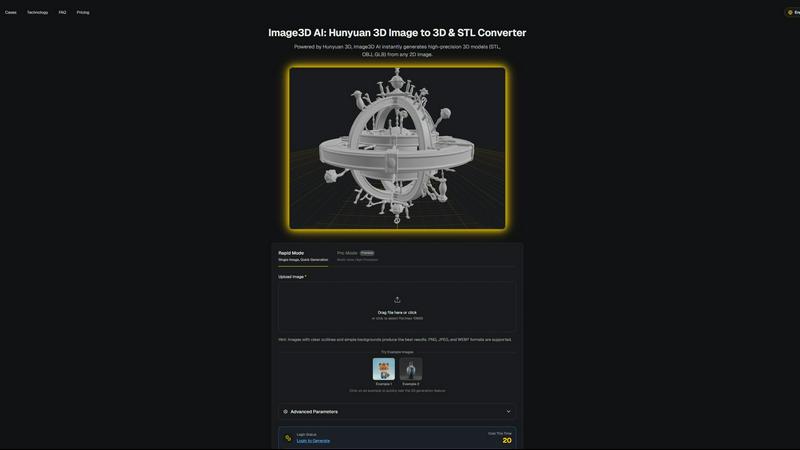
Image3D AI effortlessly converts any 2D image into high-precision 3D models ready for professional use in minutes.
Last updated: March 1, 2026

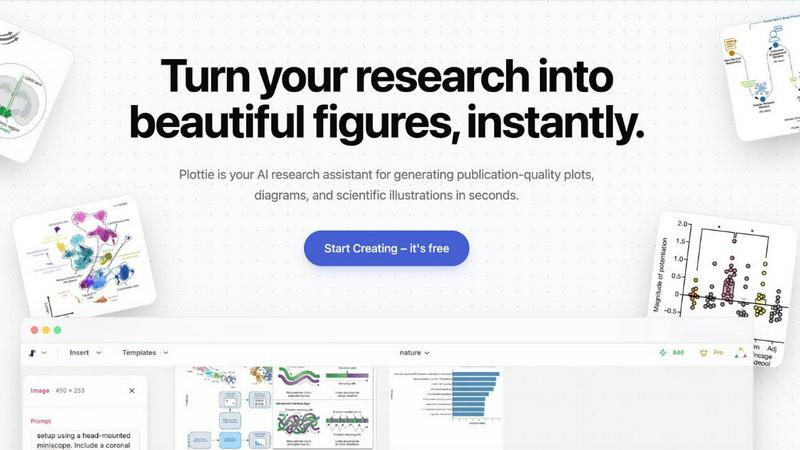
Plottie effortlessly transforms your data into stunning, publication-ready scientific figures in seconds, no coding.
Last updated: February 28, 2026
Visual Comparison
Image3D AI
Plottie
Feature Comparison
Image3D AI
Rapid Mode
Rapid Mode allows users to generate 3D models quickly from a single image. Ideal for simple projects, this feature is perfect for those who require speed and efficiency without compromising on quality.
Pro Mode
Pro Mode caters to professionals seeking high precision. By utilizing multiple views of an object, this mode enables the creation of intricate, detailed 3D models, ensuring that every nuance is captured accurately.
Multi-Format Support
Image3D AI supports various file formats, including STL, OBJ, and GLB. This versatility ensures that the generated models can be seamlessly integrated into different workflows, whether for 3D printing, gaming, or web applications.
User-Friendly Interface
The platform boasts an intuitive user interface that simplifies the entire process. Users can easily upload images, navigate through settings, and generate models without any prior 3D design experience, making the technology accessible to all.
Plottie
AI-Powered Figure Generation
Plottie's AI editor allows users to create publication-ready figures from simple text descriptions. By understanding scientific context, it transforms user inputs into high-quality visualizations without requiring any coding skills.
Extensive Plot Database
With access to over 100,000 high-quality plots extracted from elite journals like Nature and Science, users can browse a diverse array of visualizations including scatter plots, heatmaps, and bar charts to inspire their own work.
Infinite Canvas Workspace
Plottie's infinite canvas feature enables users to organize multiple plots, diagrams, and notes in a single, expansive workspace. The AI auto-arranges these elements, providing a clean and organized layout for seamless project management.
High-Resolution Export Options
Users can easily export their finished visualizations in various formats including PNG, PDF, and SVG with just one click. This feature ensures that all images maintain clarity and quality, meeting the demands of academic publications.
Use Cases
Image3D AI
Game Development
Game developers can leverage Image3D AI to rapidly produce game-ready assets. The AI-generated models are compatible with popular engines like Unity and Unreal, streamlining the asset creation workflow and significantly reducing development time.
E-commerce Applications
E-commerce businesses can utilize Image3D AI to convert product images into interactive 3D models. This enhancement allows consumers to engage with products virtually, improving the online shopping experience and boosting sales.
3D Printing
For 3D printing enthusiasts, Image3D AI serves as a powerful STL converter. Users can generate high-precision, print-ready files directly from their images, simplifying the transition from concept to tangible product.
Architectural Visualization
Architects and designers can benefit from Image3D AI by quickly generating architectural models. This capability not only saves time but also enhances the visualization process, allowing for more efficient project presentations and client approvals.
Plottie
Academic Research
Researchers can utilize Plottie to create complex figures that convey intricate scientific data clearly and effectively, saving valuable time during the manuscript preparation process.
Conference Presentations
Plottie is an essential tool for academics preparing for conferences. It allows users to generate eye-catching visuals that enhance their presentations and communicate their findings more effectively.
Grant Proposals
When drafting grant proposals, researchers can rely on Plottie to produce professional-quality figures that illustrate their research objectives and methodologies, enhancing the proposal's overall impact.
Educational Materials
Students and educators can leverage Plottie to create informative and visually appealing diagrams and illustrations for textbooks, lectures, or online courses, enriching the learning experience.
Overview
About Image3D AI
Image3D AI is the forefront of automated 3D content creation, designed to revolutionize how designers, developers, and creators approach 3D modeling. This cutting-edge platform leverages Tencent's Hunyuan 3D engine to convert standard 2D images into production-ready 3D models in mere seconds. The primary audience includes those who may not possess extensive 3D modeling skills but still wish to create high-quality assets for various applications, ranging from 3D printing to game development. By eliminating the complexity typically associated with traditional 3D modeling software, Image3D AI democratizes access to high-fidelity 3D asset creation. Its core value proposition lies in its speed and accessibility, allowing users to generate detailed 3D models from single photographs or multi-view images. Whether the aim is to produce a precise mesh for printing or a textured asset for immersive environments, Image3D AI streamlines the entire process, making it an indispensable tool for anyone looking to transform 2D concepts into stunning 3D realities quickly.
About Plottie
Plottie is an innovative, AI-powered scientific figure platform that empowers researchers, students, and academics to create publication-quality visualizations effortlessly. With a rich database of over 100,000 meticulously curated plots sourced from prestigious open-access journals, Plottie serves as a vital resource for those in the scientific community. Its intelligent AI editor allows users to generate high-quality figures from scratch, utilizing plain language to describe their needs. This unique feature eliminates the need for complex coding or expensive software licenses, making it accessible to everyone, regardless of technical expertise. Trusted by researchers at leading institutions such as Stanford, MIT, and Harvard, Plottie simplifies the often tedious process of transforming raw data into compelling visual stories. Whether you are preparing a grant proposal, crafting a conference poster, or writing a research paper, Plottie provides a seamless, single workspace for discovering, creating, and refining scientific visualizations, all while maintaining a focus on precision and clarity.
Frequently Asked Questions
Image3D AI FAQ
What types of images work best with Image3D AI?
High-contrast images with clear outlines and simple backgrounds yield the best results. Avoid blurry, low-light, or occluded subjects for optimal conversion quality.
How long does it take to generate a 3D model?
Using the Rapid Mode, a 3D model can be generated in approximately 60 seconds, significantly reducing the time compared to traditional modeling techniques.
What file formats can I export my models in?
Image3D AI allows exports in several formats, including STL for 3D printing, OBJ for general 3D editing, and GLB for web and AR applications, ensuring flexibility for various use cases.
Do I need any prior 3D modeling experience to use Image3D AI?
No prior experience is required. The platform is designed for users of all skill levels, making it easy for anyone to start creating high-quality 3D models from 2D images.
Plottie FAQ
Is Plottie free to use?
Yes! Plottie offers a generous free tier that allows you to generate unlimited plots and export them in standard quality. Additionally, Pro plans are available for high-resolution vector exports and advanced AI features.
Which AI models does Plottie use?
Plottie employs domain-specific AI models that are fine-tuned on scientific literature and datasets. This ensures that the generated figures are not only visually appealing but also scientifically accurate.
Do I own the copyright to the images generated?
Absolutely. Users retain 100% of the rights to all images and charts created with Plottie, allowing for royalty-free use in academic publications, posters, and presentations without the need for additional permissions.
Is my uploaded data used to train your AI?
No, your data privacy is our utmost priority. Uploaded data is not utilized to train Plottie's AI, ensuring that your information remains confidential and secure.
Alternatives
Image3D AI Alternatives
Image3D AI is an advanced platform designed for the swift transformation of 2D images into high-precision 3D models, positioning itself within the elite category of automated 3D content creation tools. Users frequently seek alternatives to Image3D AI due to various factors such as pricing, specific feature sets, or compatibility with their existing workflows and platforms. The decision to explore alternatives often hinges on the need for tailored functionalities, the availability of diverse export formats, or the desire for enhanced customization options. When evaluating alternatives, it is essential to consider factors like the quality of the generated 3D models, the types of output formats offered, ease of integration into existing design pipelines, and the overall user experience. Additionally, the speed of conversion and the sophistication of the AI technology behind the tool are critical aspects that can significantly influence productivity and workflow efficiency.
Plottie Alternatives
Plottie is an innovative, AI-powered platform designed specifically for researchers, students, and academics in the realm of scientific figure generation. It serves as a comprehensive solution, streamlining the creation of publication-ready figures from a vast database of high-quality plots, enabling users to focus on their research rather than the intricacies of data visualization. Users often seek alternatives to Plottie due to various reasons including pricing structures, specific feature sets, or platform compatibility. When exploring alternatives, it is essential to consider factors such as ease of use, the quality of output, support for diverse data types, and the flexibility of the platform to meet unique project demands. Additionally, a focus on user support and integration capabilities can significantly enhance the overall experience.