
CloudBurn vs Mod
Side-by-side comparison to help you choose the right tool.

CloudBurn
CloudBurn prevents costly AWS surprises by showing infrastructure cost estimates directly in pull requests.
Last updated: February 28, 2026

Mod is a premier CSS framework that accelerates the development of sophisticated SaaS applications with elegant UI co...
Visual Comparison
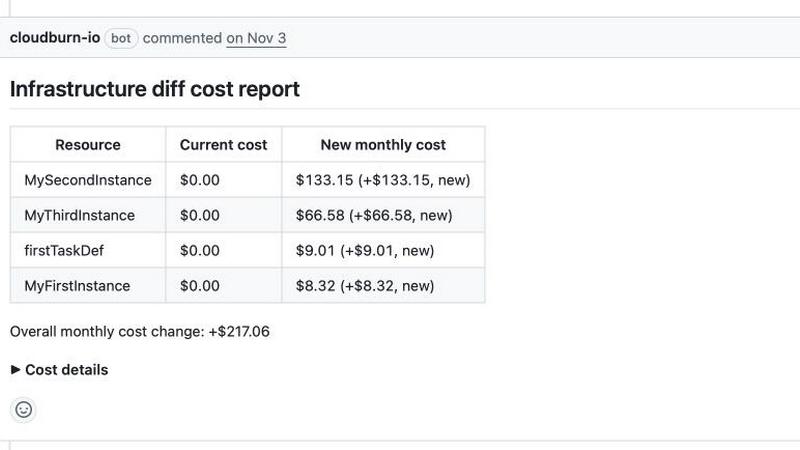
CloudBurn
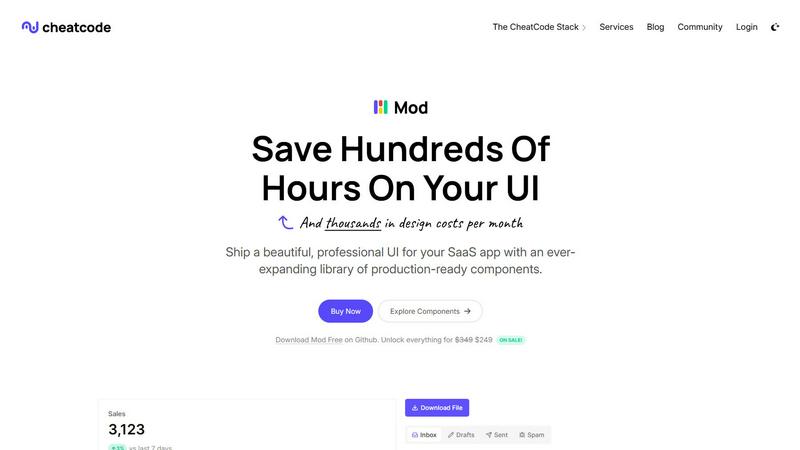
Mod
Feature Comparison
CloudBurn
Real-Time Pull Request Cost Analysis
CloudBurn automatically analyzes infrastructure changes from tools like Terraform Plan or AWS CDK Diff and posts a detailed, line-item cost report directly into the GitHub pull request. This provides immediate visibility into the exact dollar impact of every proposed change, down to individual resource pricing, before any code merges to production. It turns the pull request into a financial checkpoint.
Granular, Resource-Level Cost Forecasting
The platform delivers more than a top-line number. It provides a forensic breakdown of costs for each new or modified resource, including hourly rates, usage types, and descriptions pulled from real-time AWS pricing data. This granularity allows teams to pinpoint exactly which configuration—like a t3.xlarge vs. a t3.micro instance—is driving cost changes, enabling precise optimization.
Seamless GitHub-First Integration & Security
CloudBurn is built for the modern engineering stack with a security-first, GitHub-native approach. Billing, setup, and repository permissions are handled entirely through GitHub, requiring no separate dashboard logins or sensitive key management. Installation via the GitHub Marketplace takes minutes, ensuring a seamless and secure integration into existing workflows.
Automated FinOps Workflow Enforcement
By embedding cost intelligence into the CI/CD pipeline, CloudBurn institutionalizes cost awareness as a non-negotiable part of the development process. It creates an automated governance layer that ensures every infrastructure change undergoes financial review, fostering a culture where cost efficiency is as inherent as code quality and security, without manual oversight.
Mod
Extensive Component Library
Mod boasts an extensive library of over 88 components, each meticulously designed to cater to various UI needs. This allows developers to leverage ready-made elements such as buttons, forms, and notifications, significantly speeding up the development process while ensuring consistency across the application.
Versatile Styling Options
With 168 different styles at your disposal, Mod provides unparalleled versatility for customizing the appearance of your application. From typography to color schemes, developers can easily adapt styles to align with brand guidelines or personal preferences, making the design process both efficient and enjoyable.
Dark Mode Support
In today's digital landscape, user preferences have shifted towards dark mode interfaces for better readability and reduced eye strain. Mod includes built-in support for dark mode, allowing developers to effortlessly implement this trending feature, enhancing user experience and engagement across their applications.
Responsive and Mobile-First Design
Mod is engineered with a mobile-first approach, ensuring that all components are inherently responsive. This means that applications built using Mod will automatically adjust to different screen sizes and orientations, providing a seamless experience for users on smartphones, tablets, and desktops alike.
Use Cases
CloudBurn
Preventing Costly Misconfigurations in PR Reviews
Engineering teams use CloudBurn to catch severe and expensive misconfigurations—like accidentally provisioning a cluster of oversized EC2 instances or over-provisioned Fargate tasks—during code review. This prevents "heart-stopping AWS bills" by allowing teams to refactor and optimize infrastructure while it is still in code, avoiding risky and expensive post-deployment rework.
Enabling Developer-Led Cost Ownership
CloudBurn empowers developers to own cost outcomes by giving them immediate, contextual feedback on their architectural choices. Instead of a centralized FinOps team delivering backward-looking reports, developers see the financial impact of their decisions as they make them, fostering accountability and smarter design from the outset.
Streamlining Infrastructure Budgeting & Forecasting
Architects and engineering managers leverage CloudBurn's pre-deployment forecasts to accurately predict monthly spend for new features or services. This transforms infrastructure budgeting from a speculative spreadsheet exercise into a data-driven process based on actual code changes, improving financial planning and runway projections.
Accelerating Safe Deployment Velocity
Teams can deploy infrastructure changes with confidence and speed, knowing that cost overruns have been vetted automatically. CloudBurn removes the fear of financial surprises, eliminating bottlenecks caused by manual cost checks and enabling faster, more responsible innovation without sacrificing fiscal control.
Mod
Rapid Prototyping for Startups
Startups can leverage Mod to quickly prototype their SaaS applications. By utilizing the extensive component library, developers can create a working model in a fraction of the time it would typically take, allowing for faster feedback and iteration cycles.
Enhancing Existing Applications
Established SaaS companies looking to refresh their user interface can integrate Mod into their existing applications. The framework’s versatility and component availability enable teams to enhance their current designs without having to start from scratch, thereby saving both time and resources.
Building Custom Dashboards
Mod is an excellent choice for developers tasked with building custom dashboards. With a variety of components tailored to display data effectively, Mod allows for the creation of intuitive and visually appealing dashboards that enhance data comprehension and user interaction.
Creating Multi-Platform Applications
For teams developing applications intended for multiple platforms, Mod's mobile-first design ensures that their interfaces will look great on any device. This adaptability is crucial for maintaining a consistent user experience across web and mobile platforms.
Overview
About CloudBurn
CloudBurn is the definitive pre-deployment cost intelligence platform engineered for elite engineering teams operating in the cloud. It is purpose-built for organizations that leverage Infrastructure-as-Code frameworks like Terraform and AWS CDK, transforming the traditionally reactive and opaque process of cloud cost management into a proactive, transparent discipline. The platform's core mission is singular and powerful: to prevent expensive infrastructure mistakes before they are ever deployed to production. Traditional teams operate blind, discovering cost overruns weeks later on a static AWS bill, long after resources are provisioned and capital is irrevocably spent. CloudBurn disrupts this costly cycle by injecting real-time, granular cost analysis directly into the developer workflow—specifically, within the code review of a GitHub pull request. This creates an immediate financial feedback loop, empowering developers, architects, and FinOps practitioners to make informed, cost-conscious decisions when changes are simplest and cheapest to implement. By shifting cost governance left in the CI/CD pipeline, CloudBurn ensures financial accountability is baked into the development lifecycle from the first line of code, safeguarding budgets and enabling a true, automated culture of FinOps.
About Mod
Mod is an innovative CSS framework designed specifically for Software as a Service (SaaS) user interfaces, providing developers with a powerful toolkit to create visually stunning and highly functional web applications. With over 88 pre-built components, 168 unique styles, and a collection of more than 1,500 icons, Mod empowers developers to craft polished and engaging user experiences without the need for extensive design expertise. Its framework-agnostic nature ensures seamless integration with popular technologies such as Next.js, Nuxt, Vite, Svelte, Rails, and Django, making it an ideal choice for both solo developers and agile teams. Mod is built with mobile-first responsiveness in mind, ensuring that applications look and perform exceptionally well on any device. The platform's commitment to simplicity in pricing and its promise of yearly updates offer a reliable solution for teams looking to expedite their development process, reduce design costs, and elevate the quality of their SaaS offerings.
Frequently Asked Questions
CloudBurn FAQ
How does CloudBurn calculate cost estimates?
CloudBurn calculates cost estimates by analyzing the output of your Infrastructure-as-Code tooling (like a Terraform plan or AWS CDK diff). It parses the resource changes and matches them against real-time, region-specific pricing data from cloud providers like AWS. The result is a precise forecast of the monthly recurring cost impact based on standard on-demand usage.
Is my code or cloud credentials exposed to CloudBurn?
No. CloudBurn operates on a secure, GitHub-native model. The analysis is performed using only the diff or plan output posted by your GitHub Action. Your actual Terraform or CDK source code, state files, and cloud provider credentials never leave your environment or are transmitted to CloudBurn, ensuring maximum security.
What IaC frameworks and cloud providers does CloudBurn support?
Currently, CloudBurn provides deep, native integration for AWS cloud infrastructure. It supports the predominant Infrastructure-as-Code frameworks used with AWS, specifically HashiCorp Terraform and the AWS Cloud Development Kit (AWS CDK). Support for additional providers is guided by the public product roadmap.
Can I use CloudBurn for free?
Yes. CloudBurn offers a Community plan that is free to use forever. The platform also provides a 14-day trial of its Pro features, which include advanced reporting and historical analysis, allowing you to experience the full capabilities without a credit card. You can cancel anytime or revert to the Community plan.
Mod FAQ
What technologies can Mod be integrated with?
Mod is designed to be framework-agnostic, meaning it can seamlessly integrate with a variety of technologies including Next.js, Nuxt, Vite, Svelte, Rails, and Django, making it a flexible choice for diverse development stacks.
How does Mod support dark mode?
Mod includes built-in support for dark mode, allowing developers to easily toggle between light and dark themes. This feature enhances user experience by providing an option that many users prefer for better readability and reduced eye strain.
Are updates included in the pricing?
Yes, Mod offers yearly updates as part of its commitment to providing ongoing support and enhancements. This ensures that developers can benefit from the latest features and improvements without incurring additional costs.
How does Mod help reduce design costs?
By providing a comprehensive library of pre-built components and styles, Mod minimizes the need for extensive design work, allowing developers to focus on functionality. This efficiency translates to significant cost savings for both solo developers and development teams.